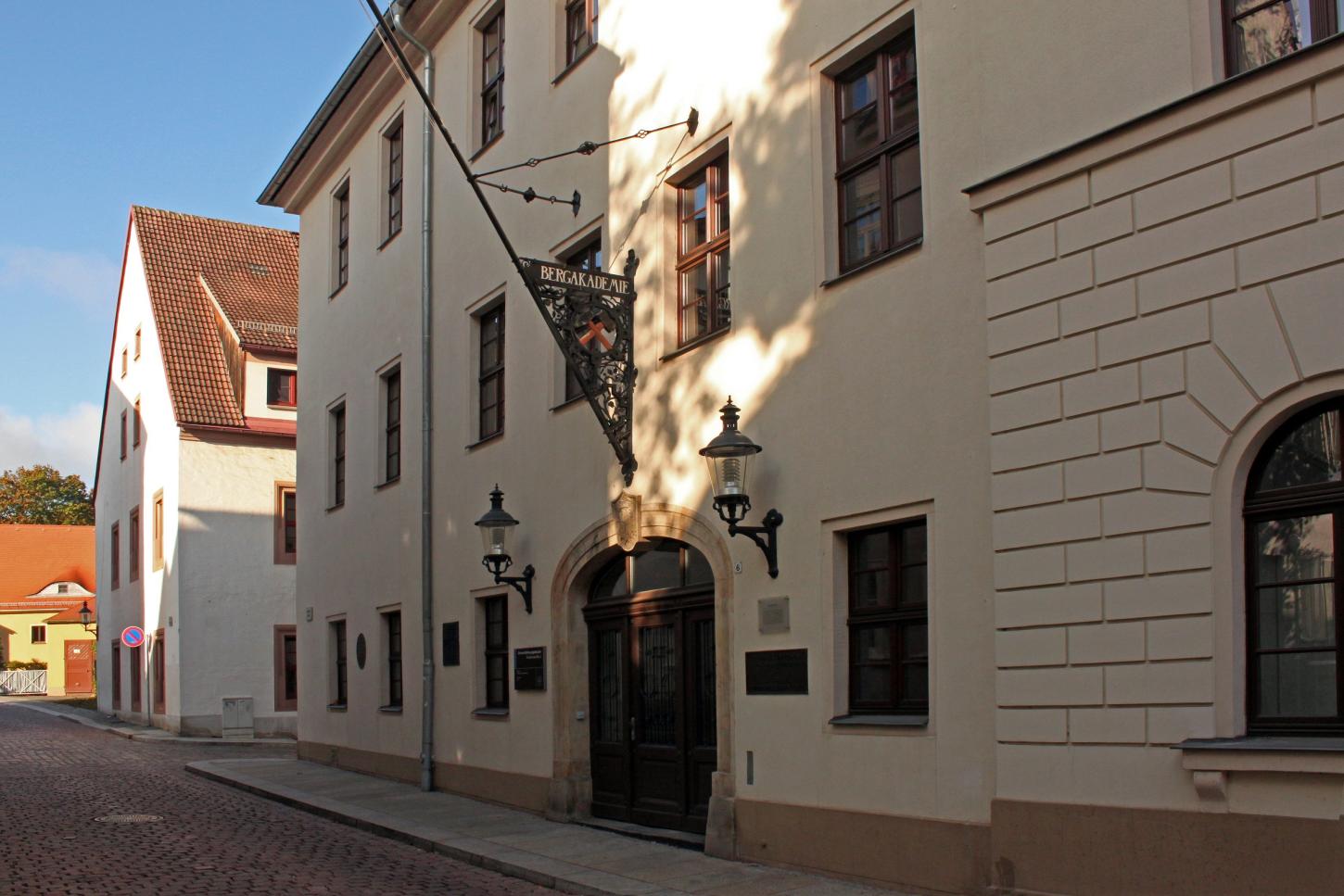
- The oldest existing mining university in the world
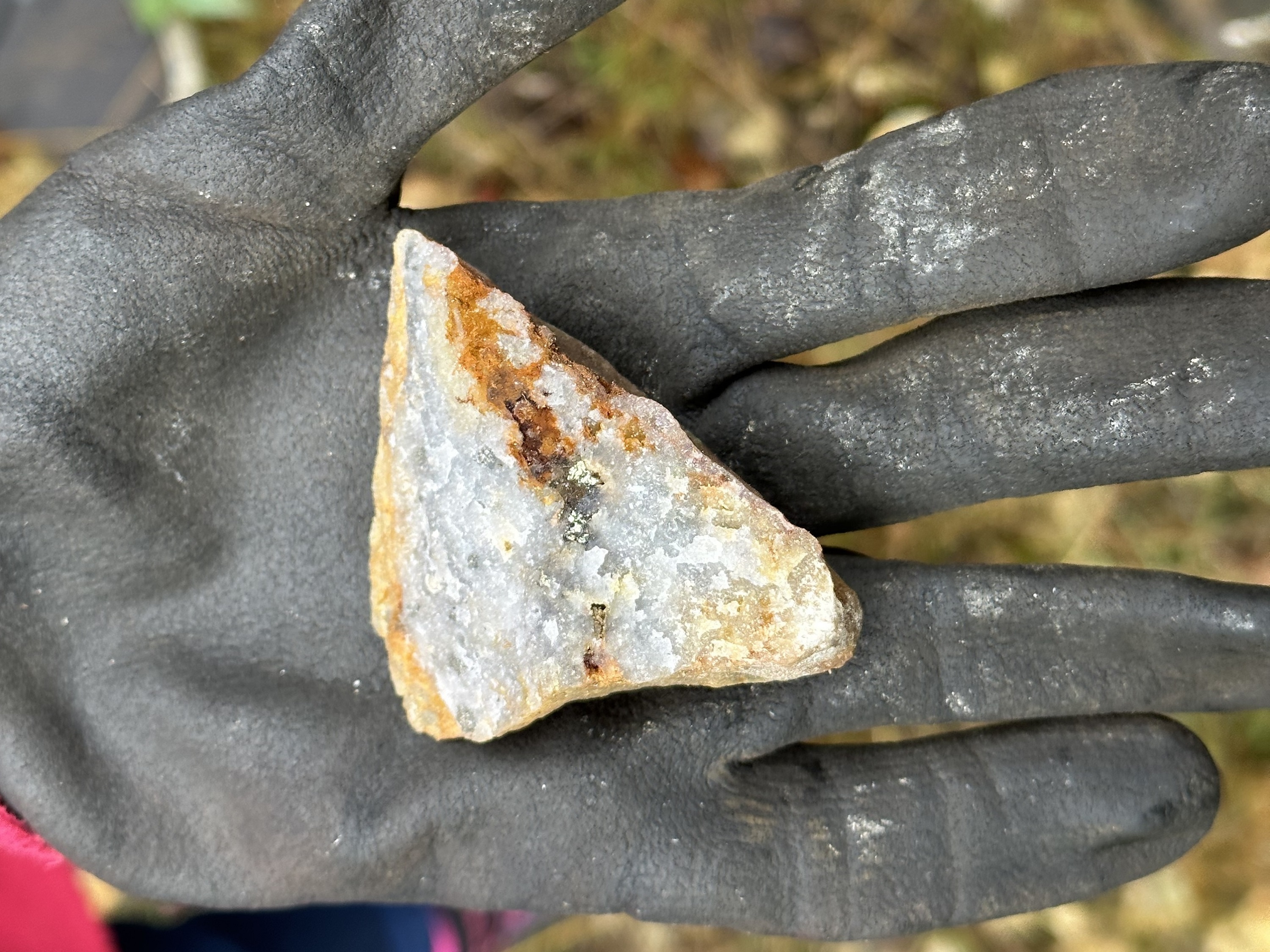
TUBAF, a UNESCO World Heritage Site, stands for global knowledge transfer and innovation. Its scholars have shaped geoscience and mining research. They described over 150 new minerals and discovered the elements indium and germanium.
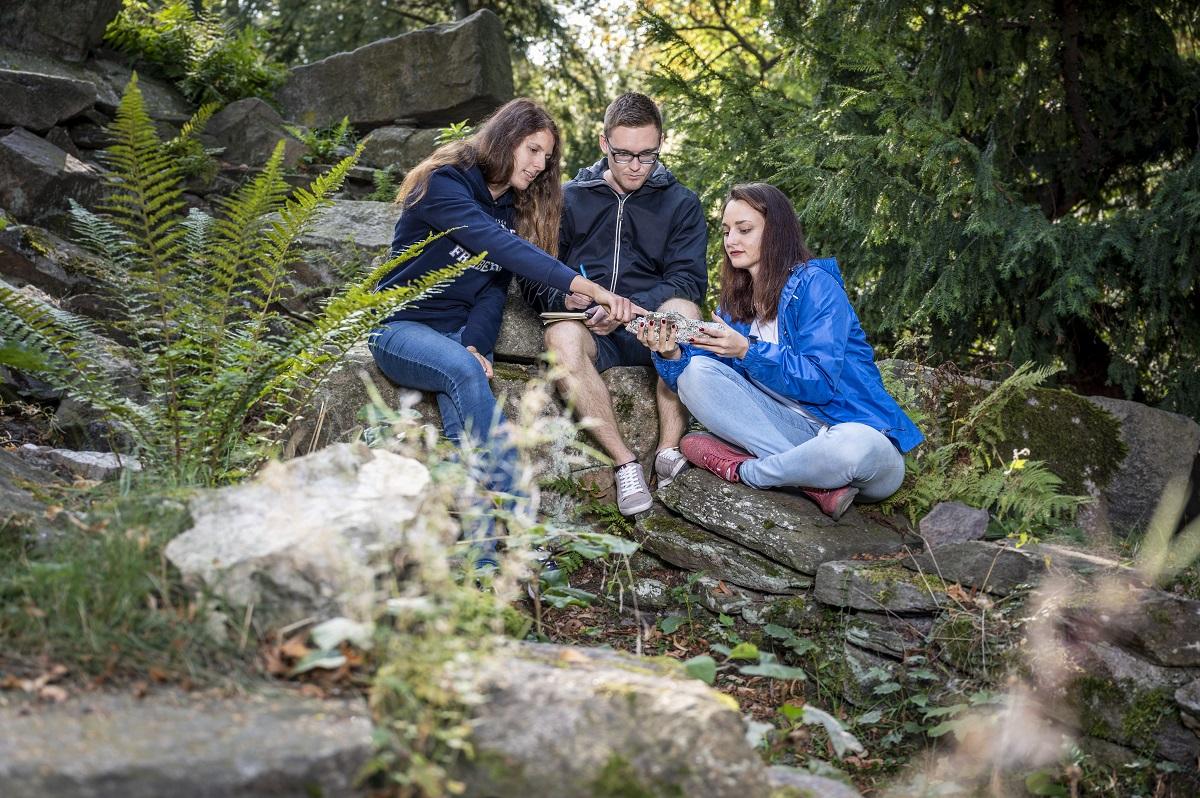
For over 250 years, young people from every continent have studied here. As graduates, they share their knowledge with the world.
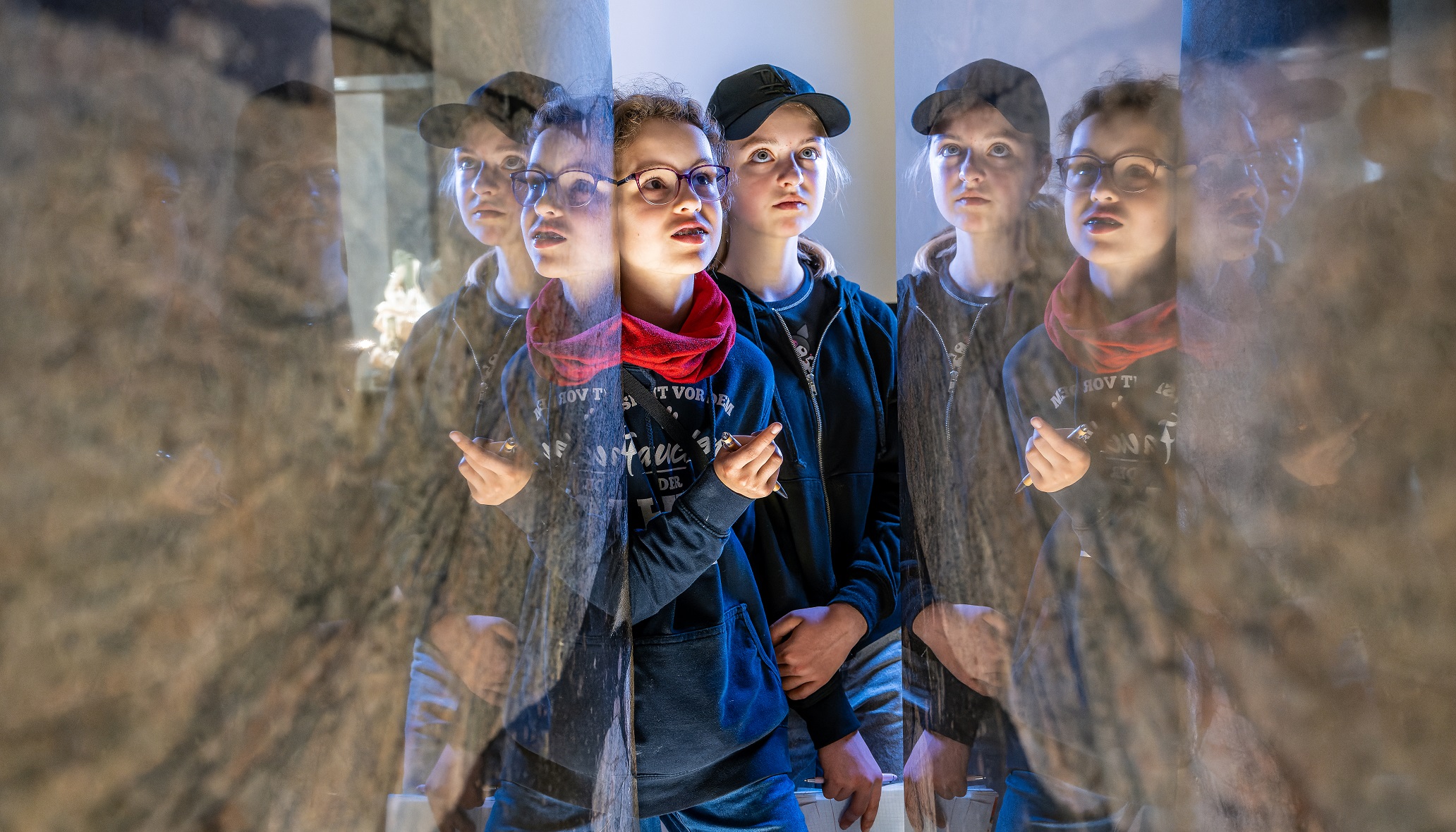
Wherever a new mining university was founded, the Mining Academy, with its practical approach to study, served as a model. TUBAF is one of the few universities worldwide to maintain its own mine for research and teaching. The "Reiche Zeche" research and teaching mine, a UNESCO World Heritage Site, is open to the public.
At TUBAF, the concept of sustainability is a guiding principle in teaching and research. The focus is on the sustainable use of natural raw materials and resources.
The "Reiche Zeche" Research and Teaching Mine
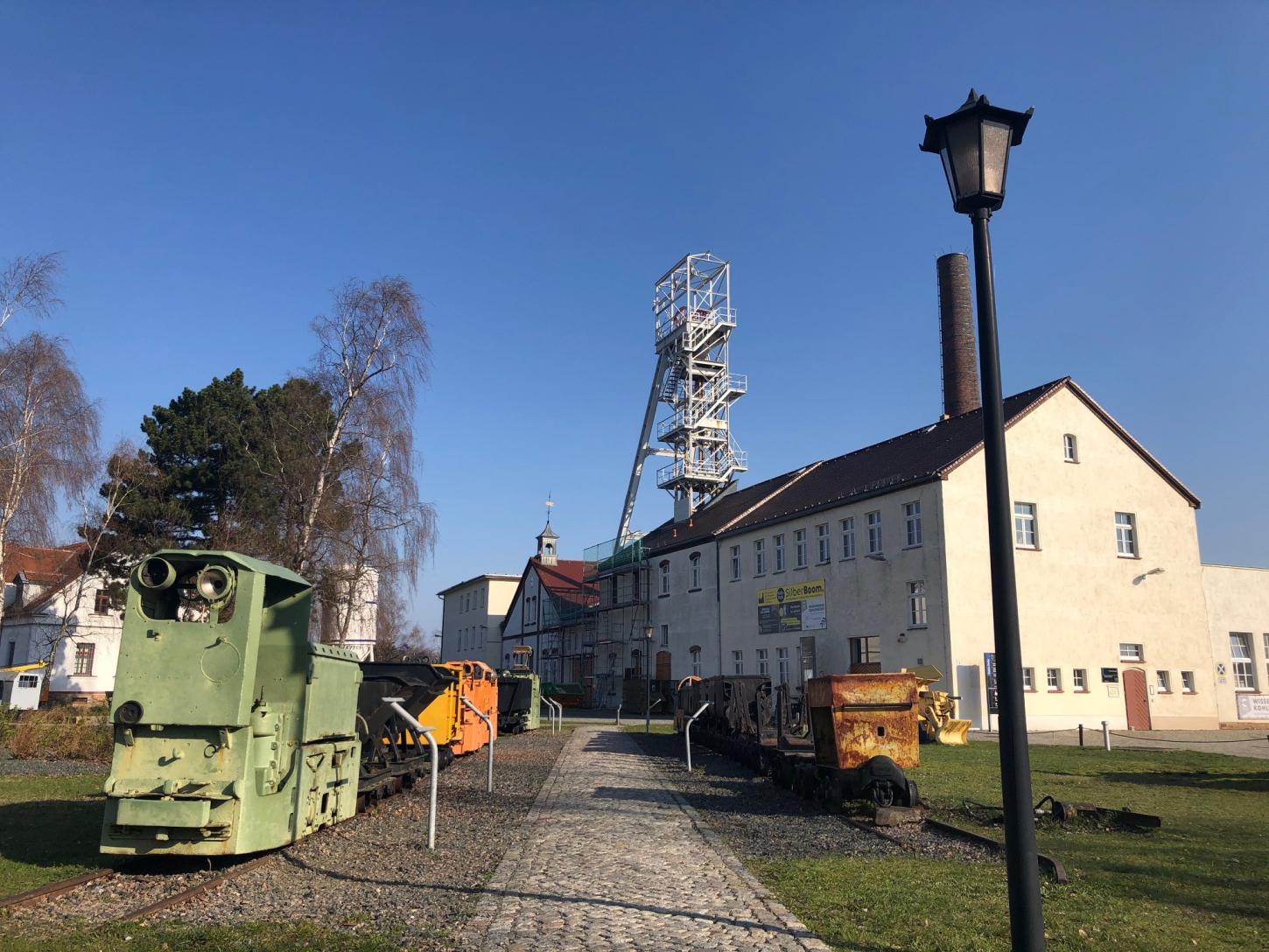
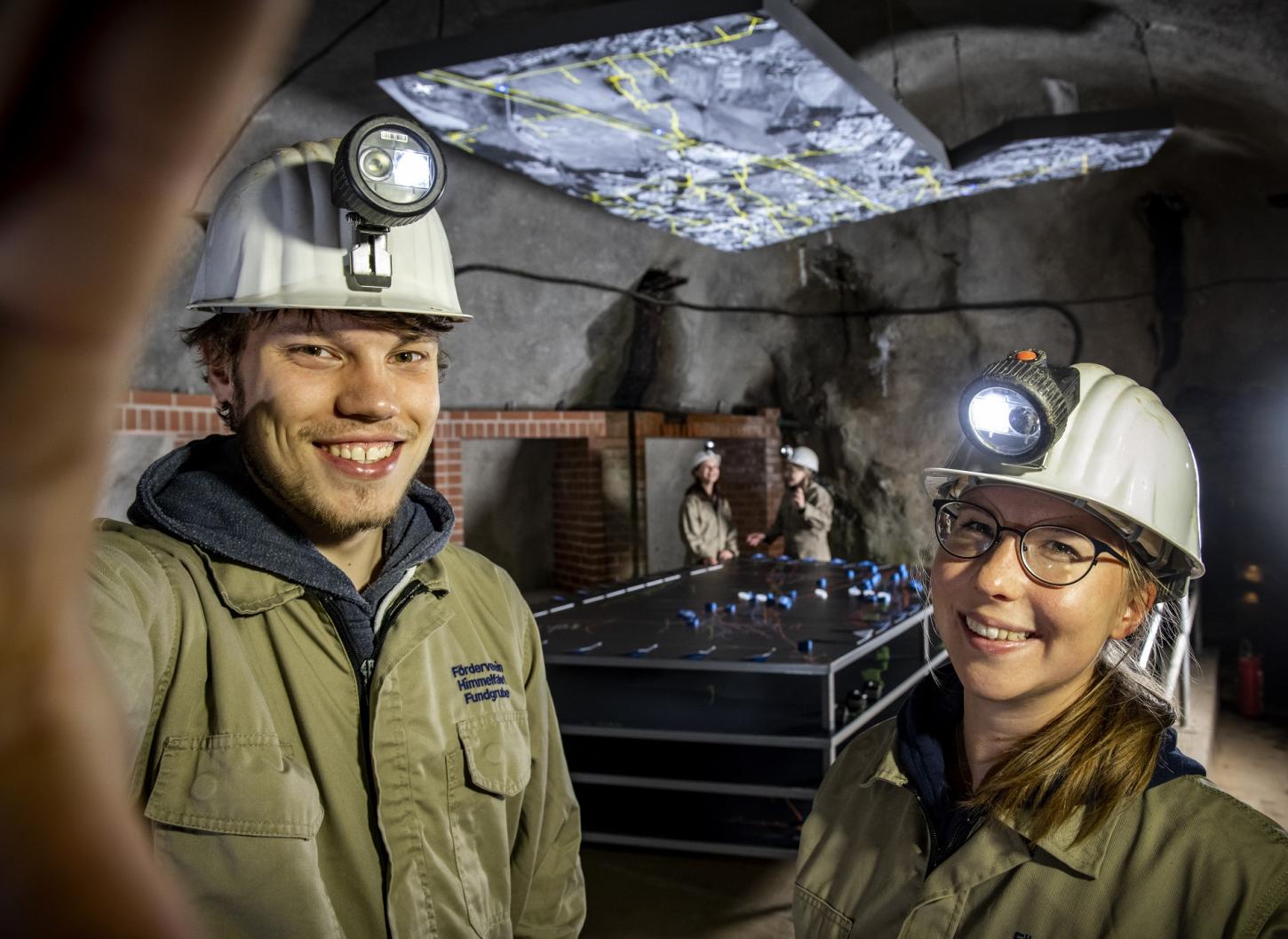
The "Himmelfahrt Fundgrube" (Ascension Mine) is a UNESCO World Heritage Site. As early as the Middle Ages, there were several independent mines in Freiberg. In the 19th century, they were merged to form one of the largest and most productive mining companies in Europe. The "Himmelfahrt Fundgrube" was in operation until 1968.
Founded in 1765, these mines served TUBAF for the practical training of its students. Since 1913, the university has operated the "Reiche Zeche" and "Alte Elisabeth" mines as research and teaching mines. Today, more than 30 experimental, teaching, and practical training stations are located underground, in cooperation with national and international partners. Approximately 1700 shifts are worked per year for this purpose.