her life
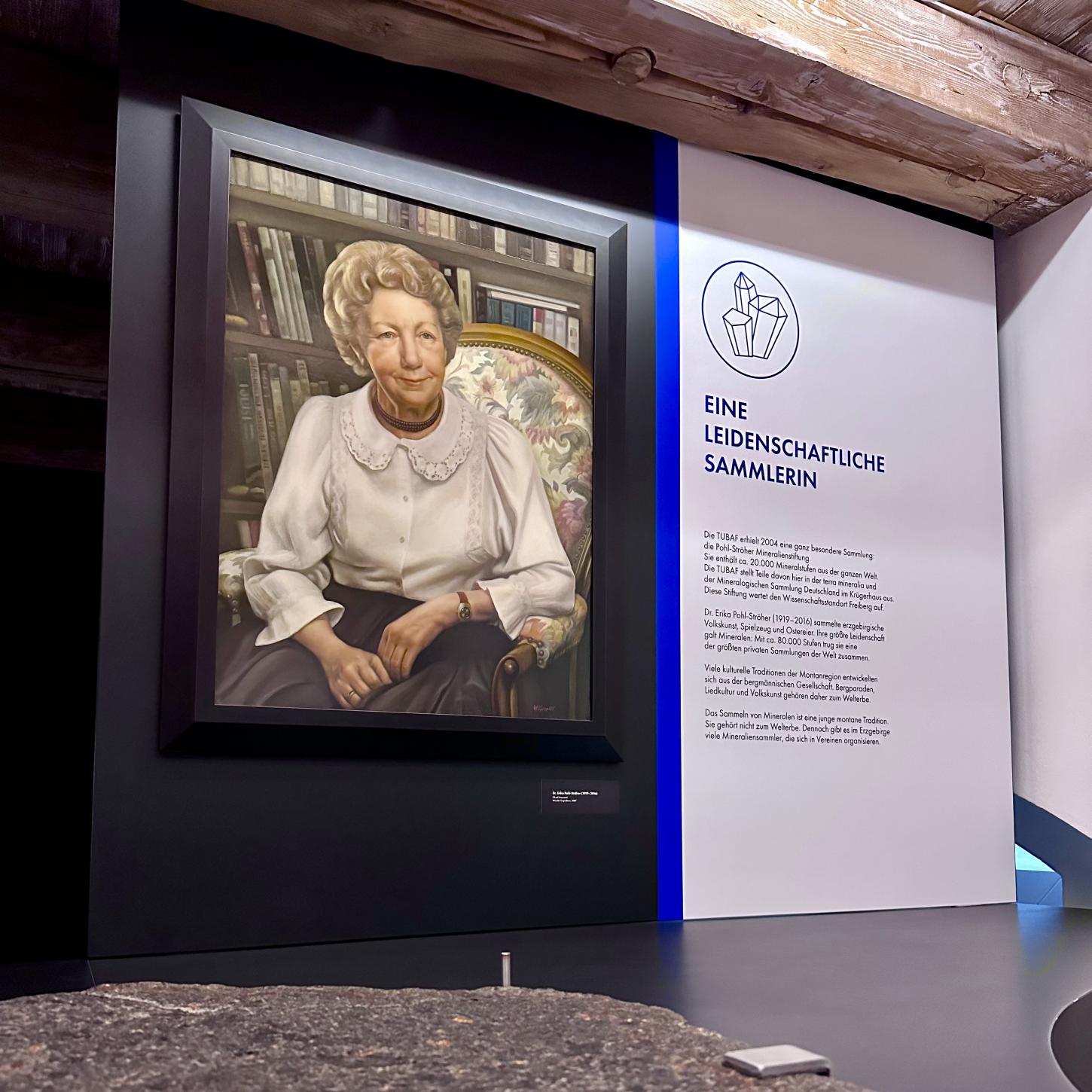
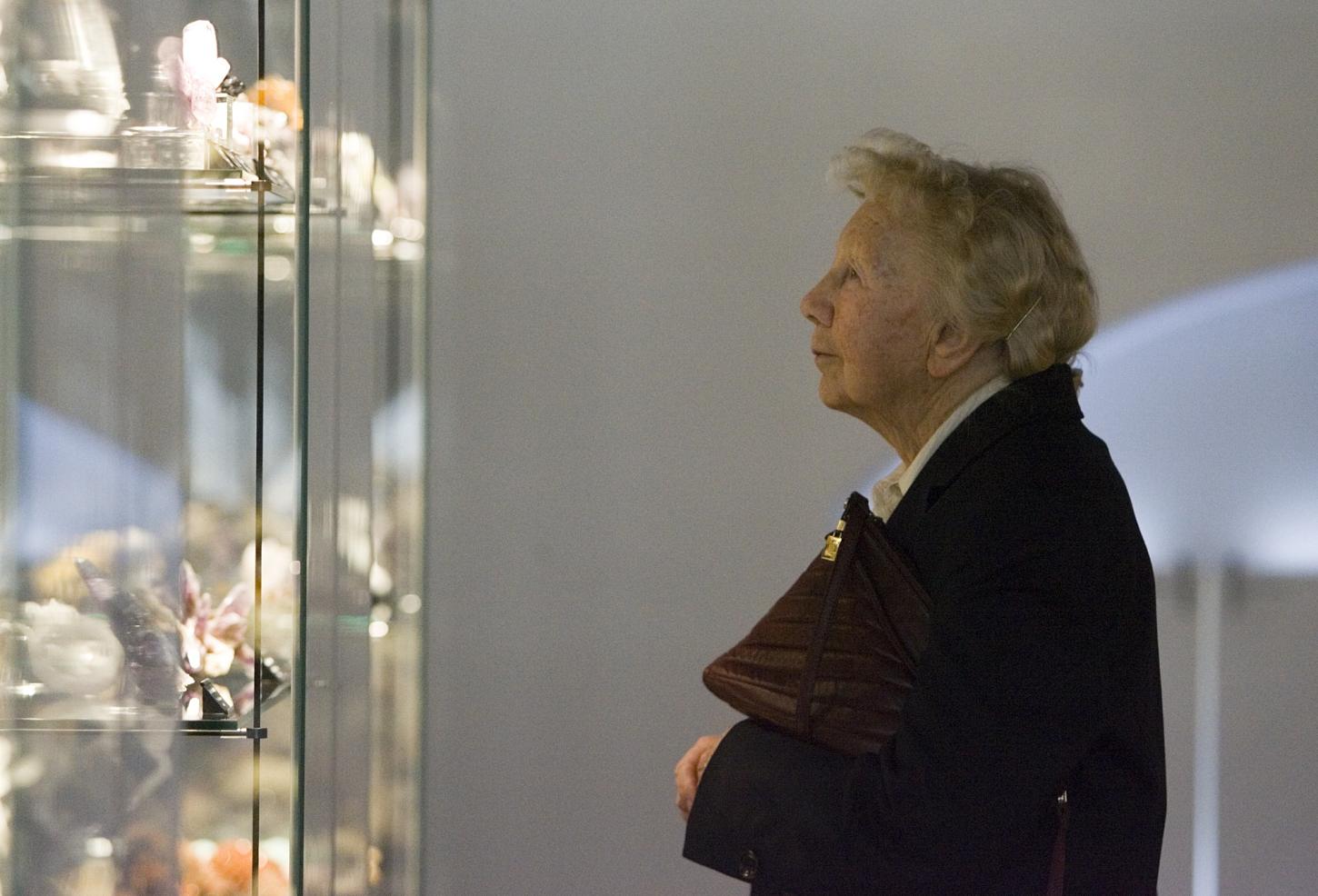
Dr. Erika Pohl-Ströher was born in 1919 in Wurzen, near Leipzig, and grew up in Rothenkirchen in the Vogtland region. Her grandfather, the hairdresser Franz Ströher, ran a hair care products business there. After the Second World War, the family moved to Darmstadt and continued to run the family business, "Wella," which later developed into a global corporation. The family sold their shares in the company in 2003. Erika Ströher studied biology and chemistry at Friedrich Schiller University Jena and earned a doctorate in biology. She married Gerhard Pohl, and together they had five children. The Pohl-Ströher family moved to Ferpicloz, Switzerland, as early as the 1970s. Erika Pohl-Ströher passed away there in 2016, shortly before her 98th birthday.
her Passion
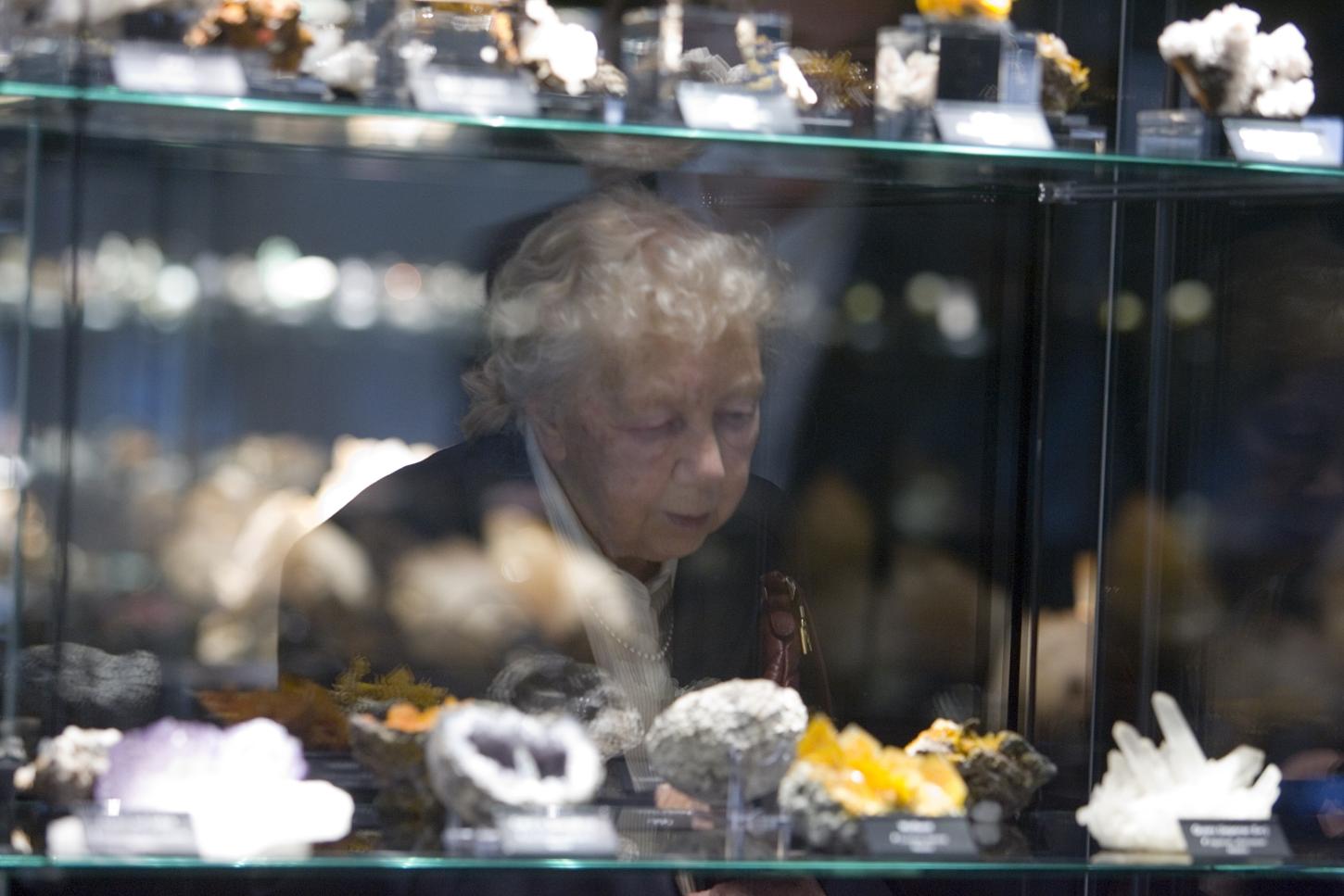
Dr. Erika Pohl-Ströher’s greatest passion was minerals; she amassed one of the world’s largest private collections, comprising around 80,000 specimens. She organized her collection by region and continent, placing special emphasis on the aesthetic appeal of the pieces. Thanks to an international network of exchange partners and dealers, Ms. Pohl-Ströher continually acquired new and attractive specimens. Together with her children, she decided to bequeath her collection to TUBAF. To this end, the Pohl-Ströher Mineral Foundation was established in Switzerland, and a permanent loan agreement was signed in 2004. The collection comprises approximately 20,000 mineral specimens from around the globe. TUBAF oversees the collection’s scientific management, utilizes it for research and teaching, and presents parts of it here at "terra mineralia" in Freudenstein Castle and at Germany’s Mineralogical Collection in the Krügerhaus. This foundation strengthens Freiberg’s position as a center for scientific research. ... Including the Mineralogical Collection in the Abraham-Gottlob-Werner-Bau, TUBAF boasts the world’s largest mineralogical exhibition complex.
her collection becomes world heritage
Ms. Pohl-Ströher inherited a passion for collecting from her father, Karl Ströher, a renowned art patron. She had been interested in minerals since her youth, a passion she deepened once her children were older. She also devoted herself to her great love for Ore Mountain folk art, toys, and Easter eggs. Erika Pohl-Ströher assembled the world's largest private collection of Ore Mountain folk art. It includes carved and turned figures of miners and angels, as well as Christmas pyramids and historical toys. A large portion of these collections is on display at the "Manufaktur der Träume" in Annaberg-Buchholz and the Pohl-Ströher-Depot in Gelenau. Many cultural traditions of the mining region originated within the mining community; consequently, miners' parades, songs, and folk art are part of the World Heritage. Mineral collecting is a comparatively recent tradition in the mining region and is not part of the World Heritage. Nevertheless, there are numerous mineral collectors in the Ore Mountains who are organized into clubs.