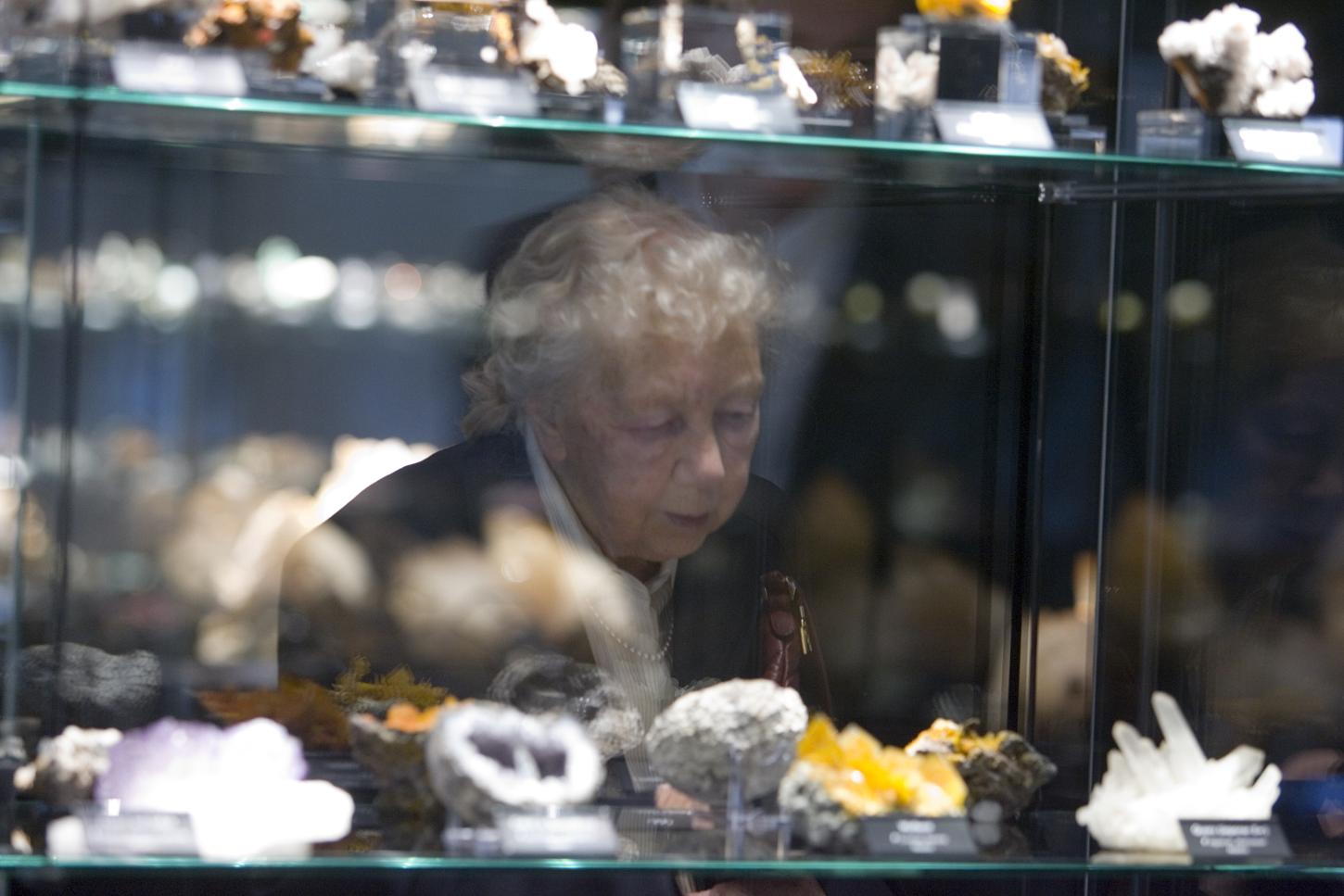
In 2004, Dr. Erika Pohl-Ströher transferred part of her private collection to the "Pohl-Ströher Mineral Foundation" and made it available to the TU Bergakademie Freiberg on permanent loan. This resulted in two exhibitions at the university: the terra mineralia in Freudenstein Castle and the Mineralogical Collection Germany in the Krügerhaus. Together with the historically grown Mineralogical Collection in the Abraham-Gottlob-Wernerbau, the TU Bergakademie Freiberg now has the largest mineralogical exhibition complex in the world.
In summer 2019, the Ore Mountains/Krušnohoří Mining Region was awarded the title of UNESCO World Heritage Site.
And what does all this have to do with each other? In spring 2023 you will learn more ...
From Castle to Freudenstein Palace
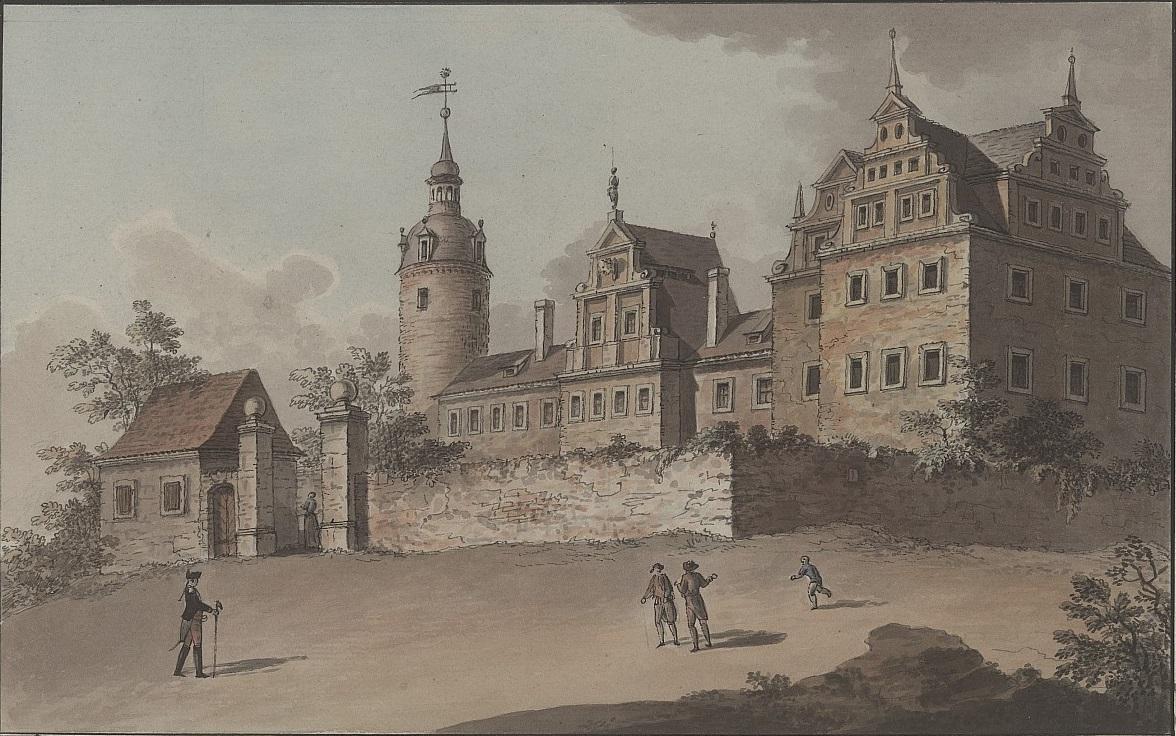
It all began more than 850 years ago: the first settlement, the first castle, the first silver, the first mining boom. After the discovery of silver in 1168, the town of Freiberg developed around the castle. As the first mining town in the Ore Mountains, it was designed to provide optimal working conditions for the miners. From then on, the Ore Mountains transformed into a mining cultural landscape.
The castle initially housed the mint. Here began the state-controlled monetary system that influenced the world. 450 years ago, Elector August had the castle rebuilt into a palace in the Renaissance style.
Why did Freiberg need a castle?
A few years before the discovery of silver, Margrave Otto of Meissen had uninhabited woodland cleared and Christiansdorf founded. The castle served to administer the newly settled land and soon afterward to protect the silver mines.
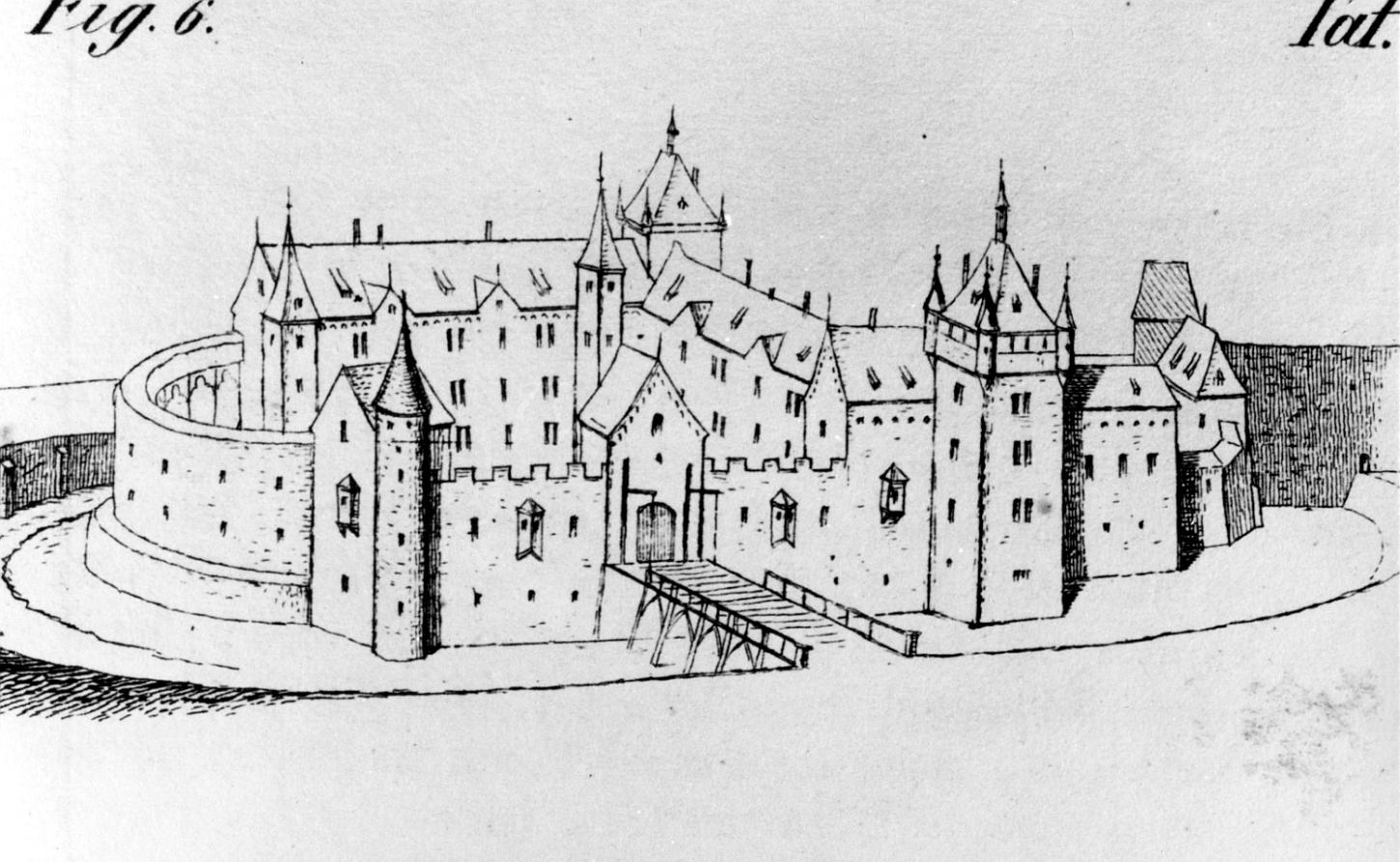
A document from 1454 describes the expanded manor house: Built almost triangularly, it contained a gatehouse, towers, and three larger residential areas with reception rooms, parlors, chambers, and latrines. There was also the refining house. In this small hut, raw silver was refined into fine silver. The mint then used this to strike coins.
During the last renovation of the castle, archaeological excavations in 2006/07 also confirmed the existence of wells, bridges, gates, and an outer bailey with outbuildings. The existence of a Gothic castle chapel was also proven. A deep moat with a drawbridge protected the castle.
Excursion: “900 Years of Otto the Rich”
Margrave Otto is the founder of the city of Freiberg and builder of the castle of the same name – today’s Freudenstein Castle.
- Life
-
Otto was born 900 years ago – he lived from 1125 to 1190. He came from the House of Wettin and was Margrave of Meissen from 1156. In 1147, he married Hedwig of Brandenburg. The couple had two sons and two daughters.
Otto the Rich died at the age of 65. He was buried in the collegiate church of Altzella Abbey.
- Impact
-
Following the discovery of silver and the first mining activities in Freiberg, Otto succeeded in being granted the mining rights by Emperor Barbarossa. He secured the right to extract all mineral resources within his margraviate. Silver mining around Freiberg flourished immensely and laid the foundation for the legendary wealth of the Margraves of Meissen. This is why Otto received the epithet "the Rich." Mining, agriculture, and long-distance trade formed the basis for the further expansion of Wettin rule and for the cultural flourishing of the region in the 13th century.
- Succession Dispute
-
At the end of his life, Otto was captured by his own son! The reason was a bitter inheritance dispute. Contrary to custom, Otto had named his younger son Dietrich as his heir instead of his eldest, Albrecht. By order of the Emperor, Otto had to be released.
After his father's death, Albrecht became Margrave of Meissen. But only for five years! Then Albrecht also died—probably from poisoning. His younger brother Dietrich inherited the title. This ended the inheritance dispute.
From Renaissance Castle to Granary
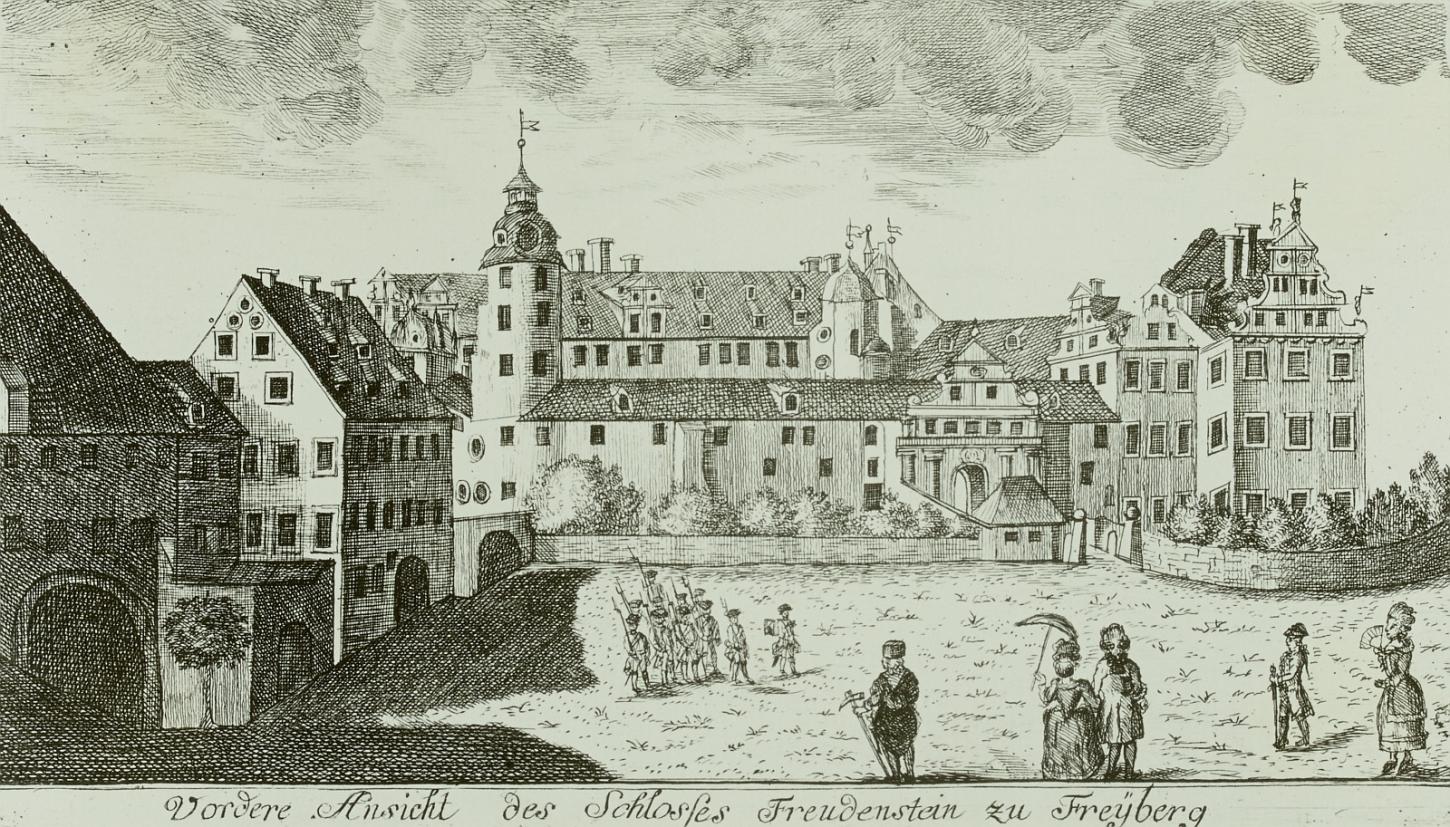
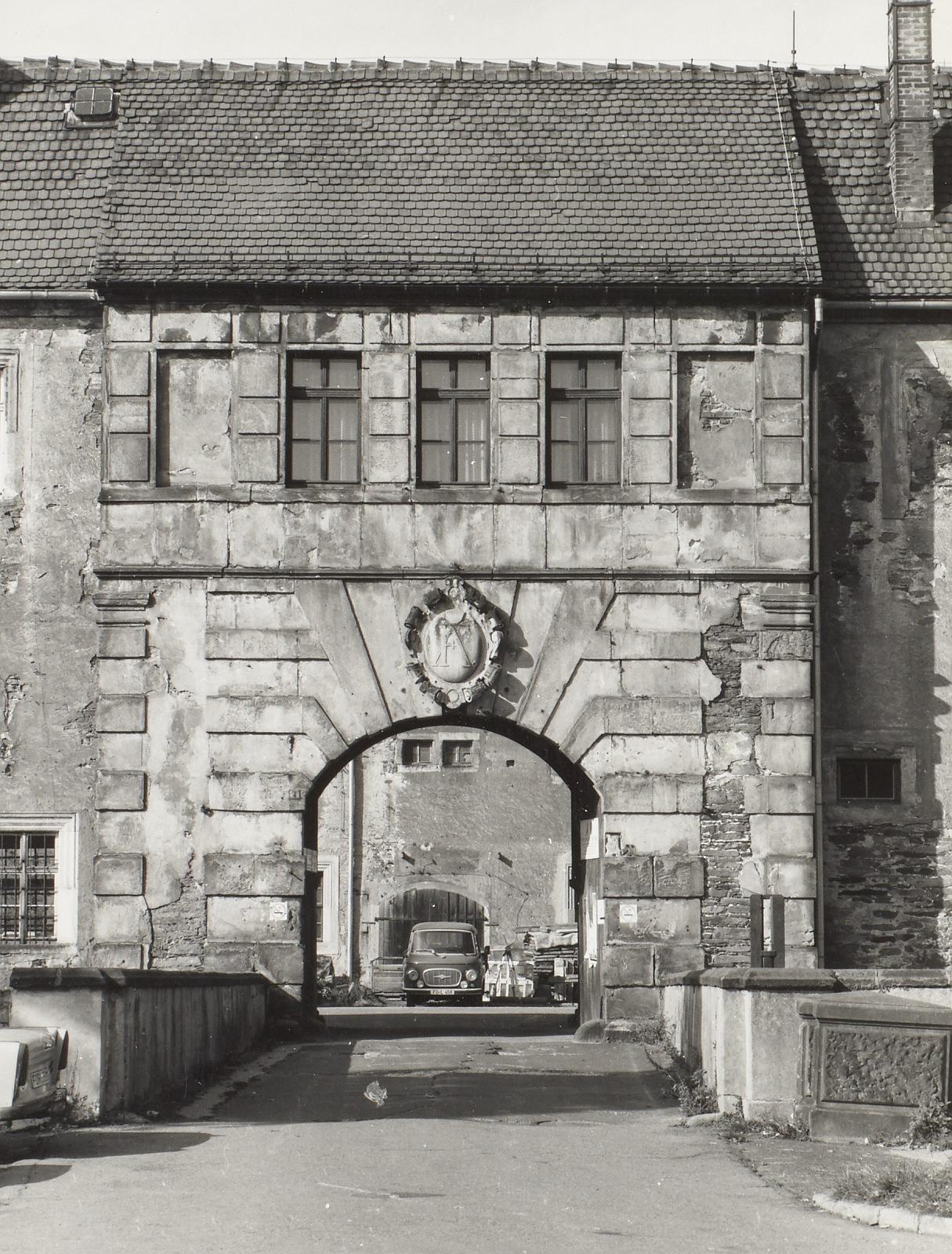
Elector August commissioned the conversion of the castle. The work took place between 1566 and 1577.
The magnificent castle was built as a four-winged complex with the architecturally striking gatehouse as its focal point. It served for representation and the protection of Freiberg. The Long House, which now houses the exhibition, contained the state rooms. Here you can walk up Saxony's first straight staircase.
Why did the Saxon Electors need a castle? Among other things, it was used for elaborate burial rituals. Since 1541, the Electors and Dukes of the Albertine line had been laid to rest in the Protestant Freiberg Cathedral. This tradition only ended in 1694 with August "the Strong."
About 100 years later, the now dilapidated castle passed into military ownership. The Thirty Years' War and the Seven Years' War left behind much destruction. Wooden floors were added to create a granary. These are still visible in parts of the exhibition today. The castle was also used as a military hospital.
The Castle in the 20th and 21st Centuries
Until 1979, the castle served as a granary.
In 1986, a restaurant opened in the basement, where the lecture hall and restrooms are now located. With German reunification in 1989/90, the heritage preservation office moved in.
Thanks to a donation from Dr. Erika Pohl-Ströher, the restoration of the dilapidated castle began in 2004. Just four years later, the Saxon State Archives, the Freiberg Mining Archives, the terra mineralia exhibition, and a castle café were able to move in.